
 Fast Delivery
 Expert Support
 Low Trade Prices
 Quality Products
 In Stock
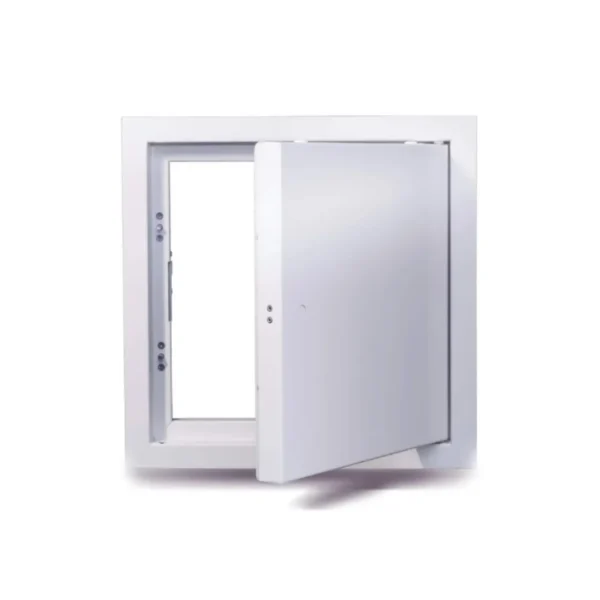
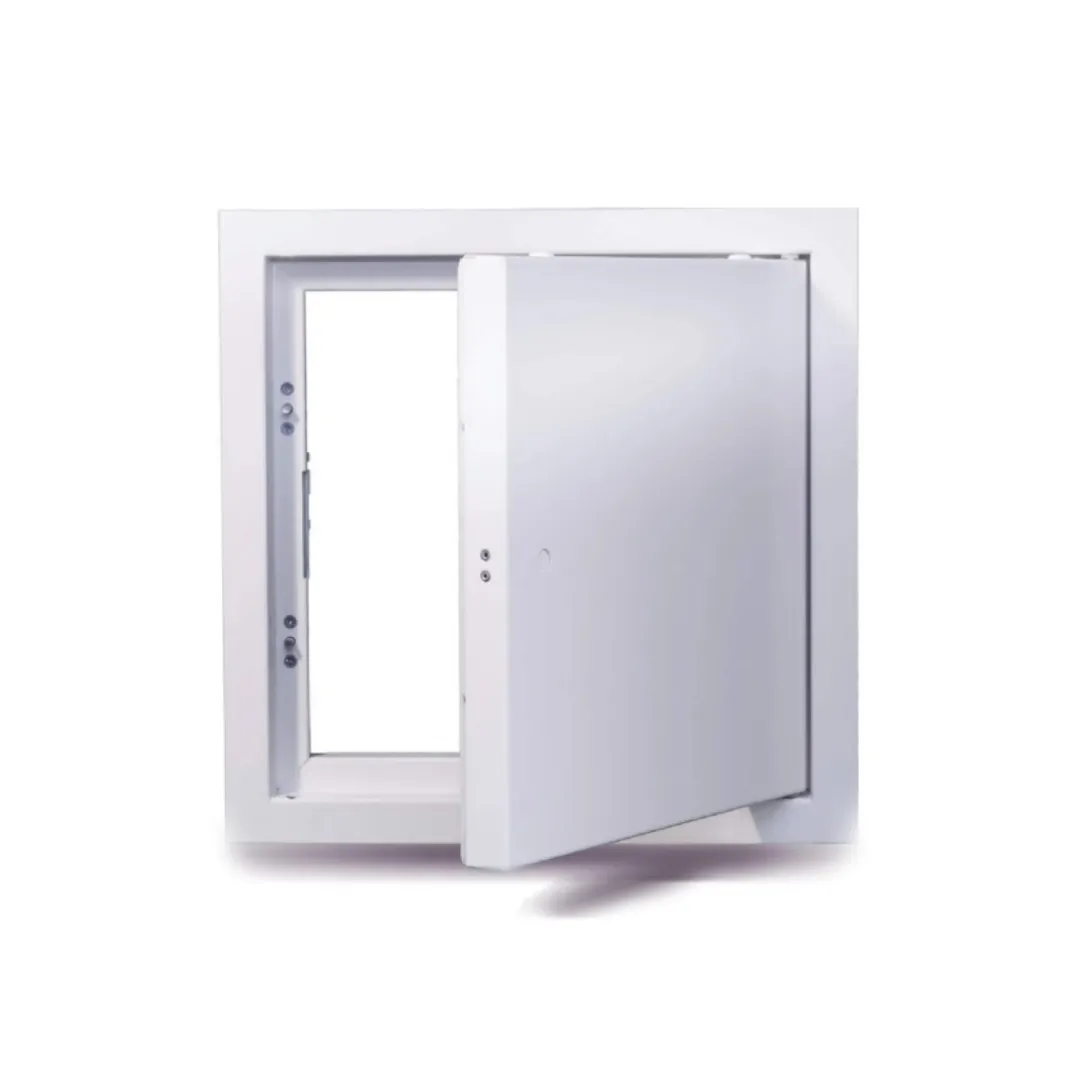
The Newton CDM Access Panel provides discreet and functional access for routine maintenance of the CDM BaseDrain System within the Type C, Newton CDM System. It also comes in two finish options to match the chosen wall finishes.
The panel comes complete and assembled with a pivoting door tray and frame finished in powder-coated white, which can be overpainted on site to blend with the surrounding surface.
The CDM Access Panel is available in both metal and plasterboard versions.
Metal Door Panels:
The metal door variant has two frame options:
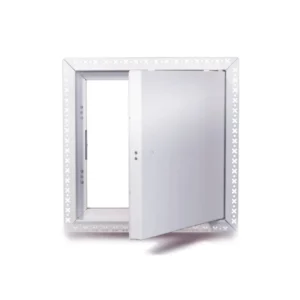
Beaded Frame: With a perforated flange to provide a key where the surface has yet to be skimmed or tape and jointed.
Picture Frame: With a solid surround that sits on the surface of the wall. This covers the cut edge of the aperture and is used when the surface has already been finished and decorated. For the most discreet solution, a seamless keyhole option is available.
Plasterboard Door Panel:
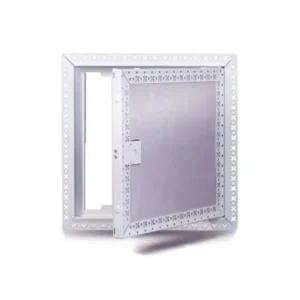
This panel consists of a plasterboard-faced pivoting door tray and frame with a push catch or square drive-operated lock with a seamless keyhole. Finished in powder-coated white and can be overpainted on site with emulsion to blend with the surrounding service, after a skim coat of plaster.
Compliance
It is a requirement of BS 8102 that Type C (drained) waterproofing systems are maintainable. As well as providing a high flow rate, drainage channels such as the BaseDrain System are commonplace because they allow for the Type C system to be fully maintainable and to be in full compliance with BS 8102:2022.
For the channel to be maintainable, it needs to be accessible and usable so that in the worst-case scenario, a blockage can be removed and the channel cleaned, regardless of where the blockage is within the drainage system.
The methods used to inspect and locate the blockage and to remove the blockage are by specialist camera and rodding equipment, which are flexible enough to be inserted into the drainage channel to identify and clear the blockage.
Reviews
There are no reviews yet.